
5 Ways Falling Leaves Can Damage Your Car’s Paint
As autumn sets in, falling leaves can pose a hidden threat to your car’s paint. You might not realize how moisture gets trapped, leading to potential corrosion. Plus, decaying leaves can release harmful substances that discolor your finish. If you think that’s all, consider the sticky tree sap and pollen that can complicate matters. Let’s explore the various ways these seemingly harmless leaves can wreak havoc on your vehicle’s exterior.
How Leaves Trap Moisture Against Your Car
When autumn leaves pile up on your car, they can create a hidden danger: moisture retention. As leaves accumulate, they trap water against your vehicle’s surface, leading to potential paint damage.
You mightn't notice the issue at first, but over time, this moisture can cause the paint to deteriorate. The combination of damp leaves and dirt can promote corrosion and even mold growth, which compromises the protective layers of your car’s finish.
If you leave those leaves sitting, you’re risking costly repairs down the line. To keep your car in top shape, make it a habit to regularly remove leaves from your vehicle.
A little maintenance now can save you from bigger headaches later on.
How Tree Sap Affects Your Car's Paint
Although it may seem harmless, tree sap can seriously damage your car's paint if you don't address it quickly.
When sap drips onto your vehicle, it forms a sticky residue that can attract dirt and grime. If left untreated, the sap hardens, making it difficult to remove and potentially leading to scratches during cleaning.
Over time, the sap can cause discoloration and even eat away at the clear coat, exposing the underlying paint to further deterioration.
To protect your car, inspect it regularly for sap and clean it off promptly using a gentle cleaner. Avoid using harsh chemicals that could exacerbate the damage.
How Pollen and Debris Lead to Car Paint Damage
Tree sap isn’t the only natural culprit that can harm your car’s paint; pollen and debris can also pose significant risks.
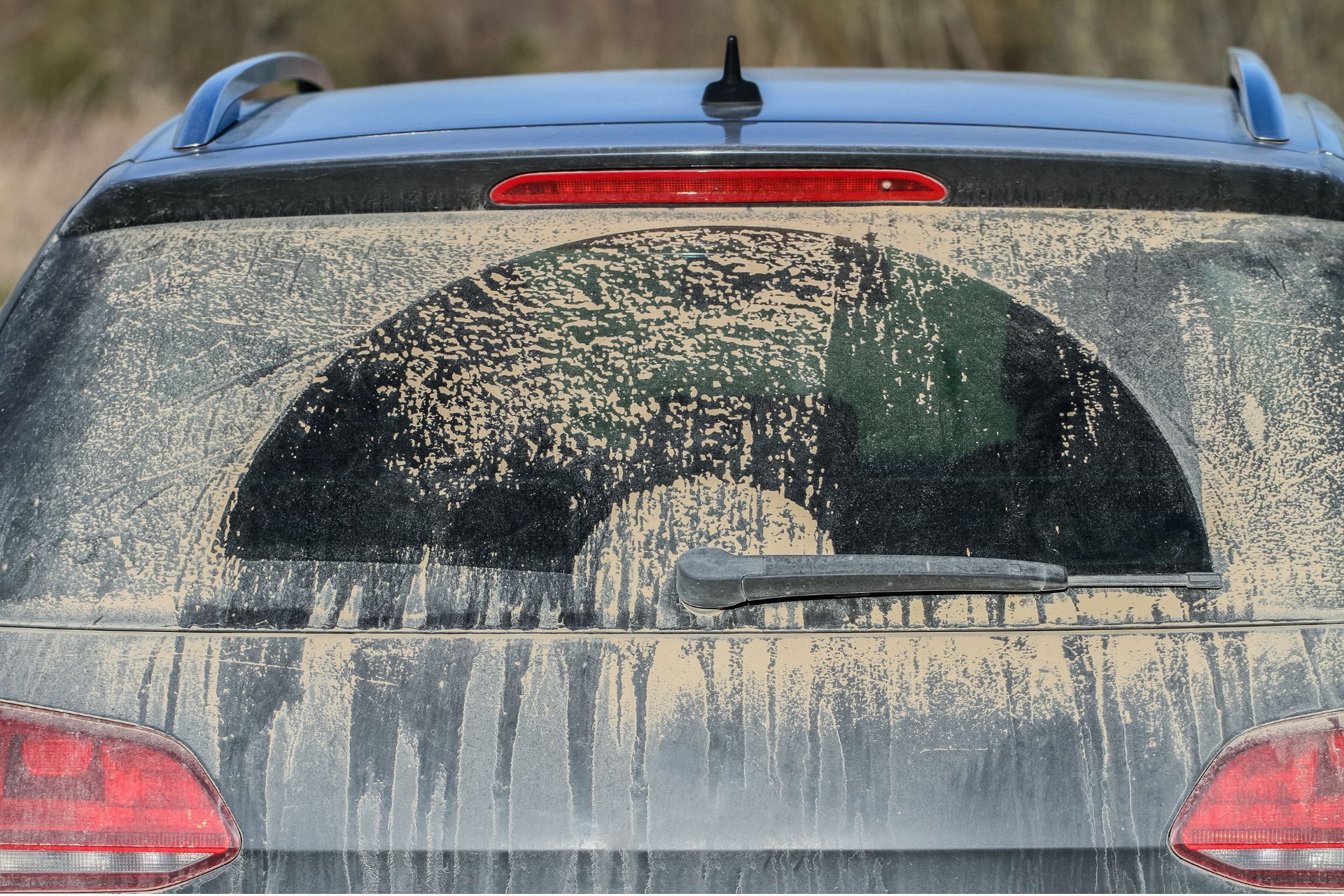
When pollen settles on your vehicle, it can mix with moisture and create a sticky residue. This residue can attract dirt and grime, leading to scratches and dullness as you wash your car.
Additionally, debris like leaves and twigs can trap moisture against the paint, promoting oxidation and causing paint to chip or fade over time.
If you park under trees during pollen season, you're particularly vulnerable. Regularly washing your car helps prevent these issues.
By staying proactive and cleaning off pollen and debris, you’ll maintain your car’s finish and keep it looking sharp.
Don't let nature take a toll on your paint!
Risks of Decaying Organic Matter on Your Car
As leaves and other organic matter decay, they can create serious problems for your car's exterior. The decomposition process releases tannins and acids, which can eat away at your car's paint. If you leave decaying leaves on your vehicle, these harsh substances can lead to discoloration and dullness over time.
Moreover, mold and mildew can thrive in this organic debris, creating unsightly stains that are tough to remove. When it rains, these substances mix with water, creating a corrosive sludge that can further damage your paint.
Not only does this affect your car's appearance, but it can also reduce its resale value. Keeping your car clean and free of decaying organic matter is essential for maintaining its finish and longevity.
How to Protect Your Car From Fall Damage
To protect your car from fall damage, it’s crucial to take proactive steps that can safeguard its exterior.
Start by parking in a garage or under a carport whenever possible. If that’s not an option, invest in a high-quality car cover to shield against falling leaves and debris.
Regularly wash your car to remove any organic matter that may settle on the paint, as this can lead to stains or damage. Wax your car every few months to add a protective layer that repels contaminants.
Additionally, inspect for any scratches or chips and address them promptly to prevent rust.
Conclusion
To keep your car's paint in top shape this fall, stay proactive. Regularly remove leaves, clean off tree sap, and wash away pollen and dirt. Don't let decaying matter linger, as it can lead to serious damage. Consider using a protective wax or sealant to create an extra barrier against the elements. By taking these steps, you’ll safeguard your vehicle’s finish and keep it looking great all season long. Happy driving!