
How South Jersey Shore Air and Salt Exposure Damage Your Vehicle's Paint
If you live near the South Jersey Shore, you know how beautiful it can be, but that salty air can wreak havoc on your vehicle’s paint. The constant exposure to moisture and sand can lead to serious damage over time. You might notice dullness or even tiny scratches forming on your car's surface. Understanding these effects is crucial if you want to protect your investment and keep your car looking great. So, what can you do about it?
The Impact of Coastal Conditions on Your Vehicle
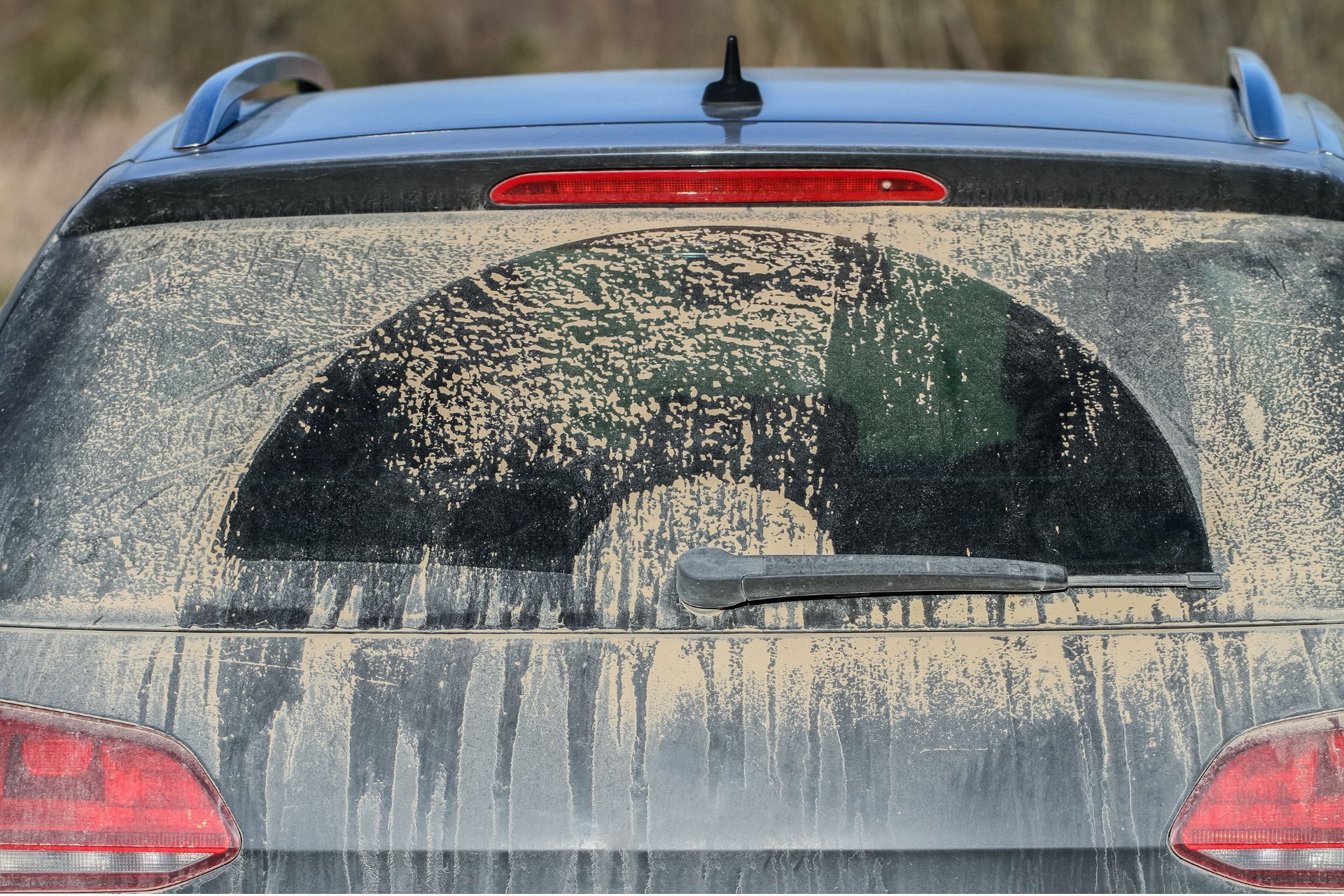
Coastal conditions can seriously affect your vehicle's paint job. When you're near the South Jersey shore, salt in the air can settle on your car's surface, creating an environment ripe for corrosion.
This salt, combined with humidity, leads to a higher risk of oxidation, which can dull the paint and reduce its shine. Additionally, sand and wind can cause tiny scratches and abrasions, further compromising the finish.
If you park your car near the beach, it’s crucial to wash it regularly to remove salt and debris. You might also want to consider applying a protective wax or sealant to create a barrier against these harsh elements.
Protecting your vehicle now can save you from costly repairs later.
Common Signs of Paint Damage From Shore Conditions
When you spend time near the shore, it's easy to overlook the signs of paint damage on your vehicle until it’s too late.
One of the most noticeable signs is fading or discoloration, often caused by intense sun exposure and salt. You might also spot small chips or scratches on the surface, which can lead to more serious damage if ignored.
Additionally, look for dullness or a chalky texture, indicating that the protective clear coat is wearing away. If you see rust spots forming, that's a clear signal that your paint's integrity is compromised.
Regularly checking for these signs can help you catch potential issues early and protect your vehicle from further damage.
Understanding Corrosion: How Coastal Elements Deteriorate Your Car’s Paint
Exposure to the elements at the shore can lead to significant corrosion of your vehicle's paint. The salty air is a major culprit, as it contains tiny salt particles that settle on your car’s surface.
When moisture mixes with these particles, it creates a corrosive environment that can eat away at the paint. Additionally, the sun’s UV rays can weaken the paint’s integrity, making it more susceptible to damage.
Rain and humidity also play a role, as they can contribute to rust formation when they interact with the salt. Over time, this combination of factors can result in faded paint, bubbling, or even peeling.
Protecting your vehicle from these elements is crucial to maintaining its appearance and value.
Tips to Keep Your Car’s Paint Safe at the Shore
How can you protect your car’s paint while enjoying the South Jersey Shore? First, park in shaded areas whenever possible. This minimizes direct sunlight exposure that can cause fading.
Consider applying a high-quality wax or sealant before your trip; this adds a protective barrier against salt and UV rays. Regularly cover your vehicle with a breathable car cover when parked for extended periods.
If you can, wash your car after a beach day to remove salt and sand that can scratch the surface. Lastly, keep an eye out for any chips or scratches and address them promptly with touch-up paint.
Effective Cleaning Techniques for Shore-Dwelling Cars
To keep your shore-dwelling car looking pristine, it’s essential to adopt effective cleaning techniques that target the unique challenges posed by salt and sand.
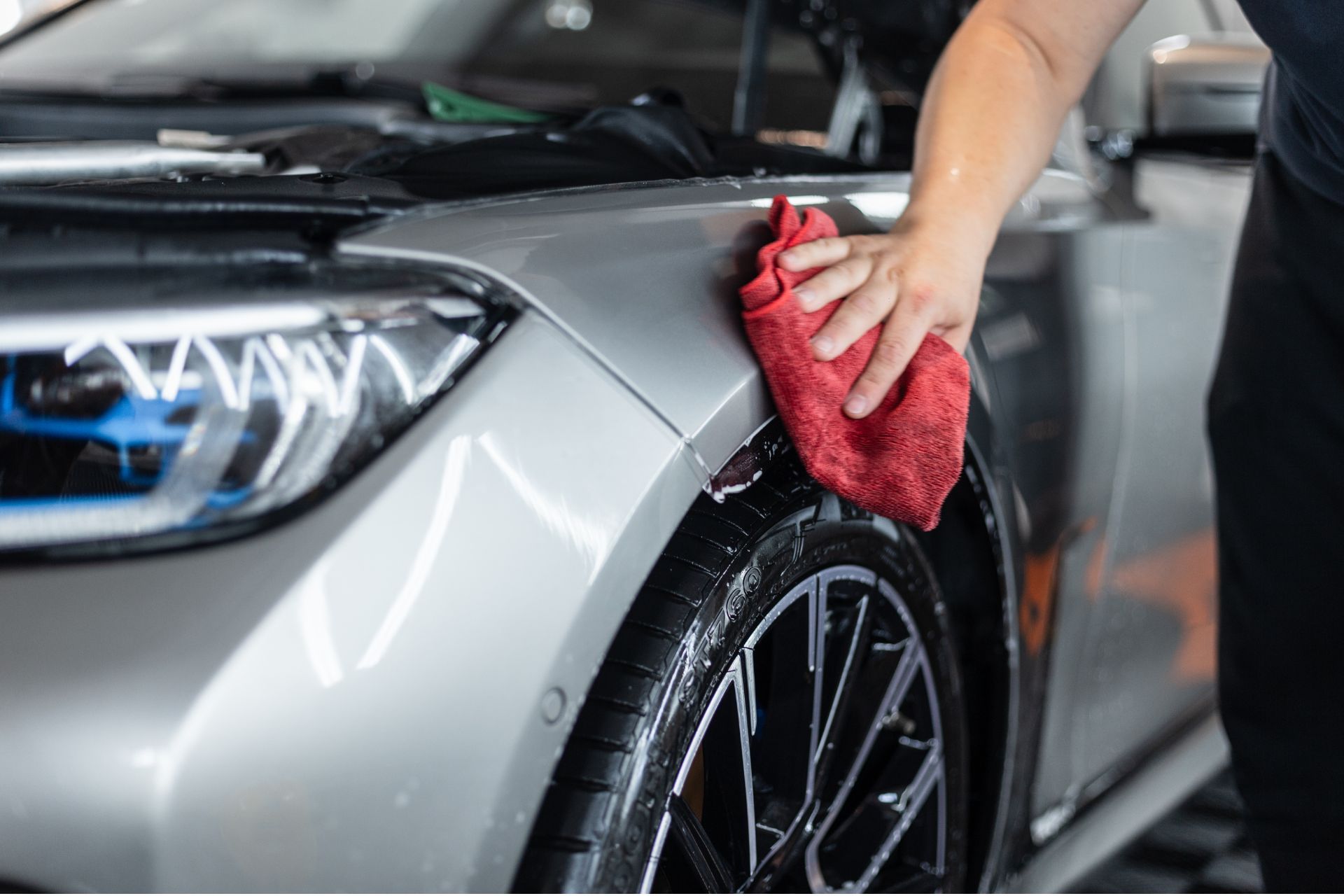
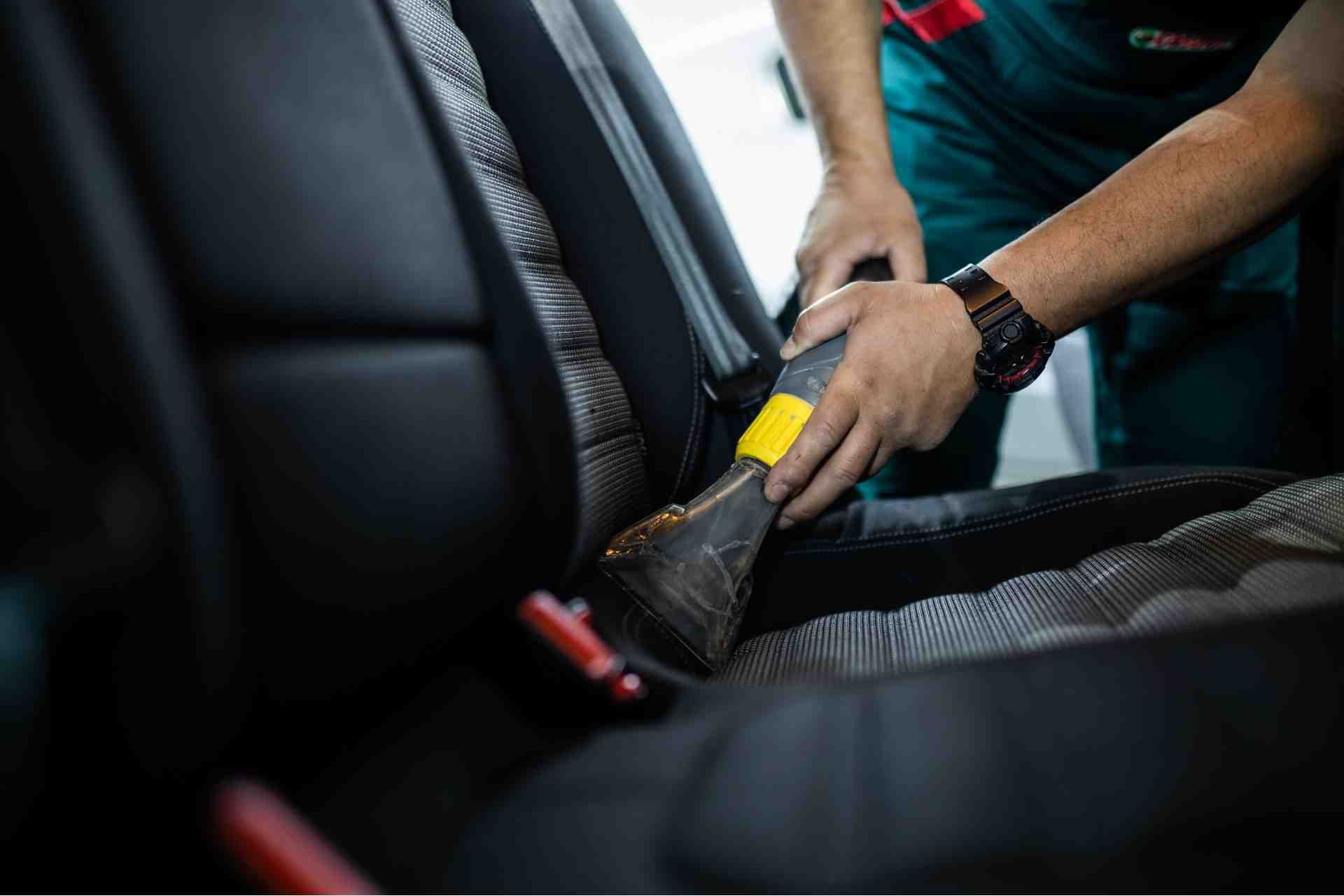
Start by rinsing your vehicle with fresh water to remove any salt and sand accumulation. Use a high-quality car wash soap that’s gentle on paint but tough on grime. When washing, employ a soft mitt or sponge, working from the top down to avoid scratching the surface.
Don’t forget the wheel wells and undercarriage, where salt can linger. After rinsing, dry your car thoroughly to prevent water spots.
Finally, consider applying a wax or sealant to provide a protective barrier against future damage, keeping your paint looking shiny and new.
When to Call a Professional for Paint Restoration?
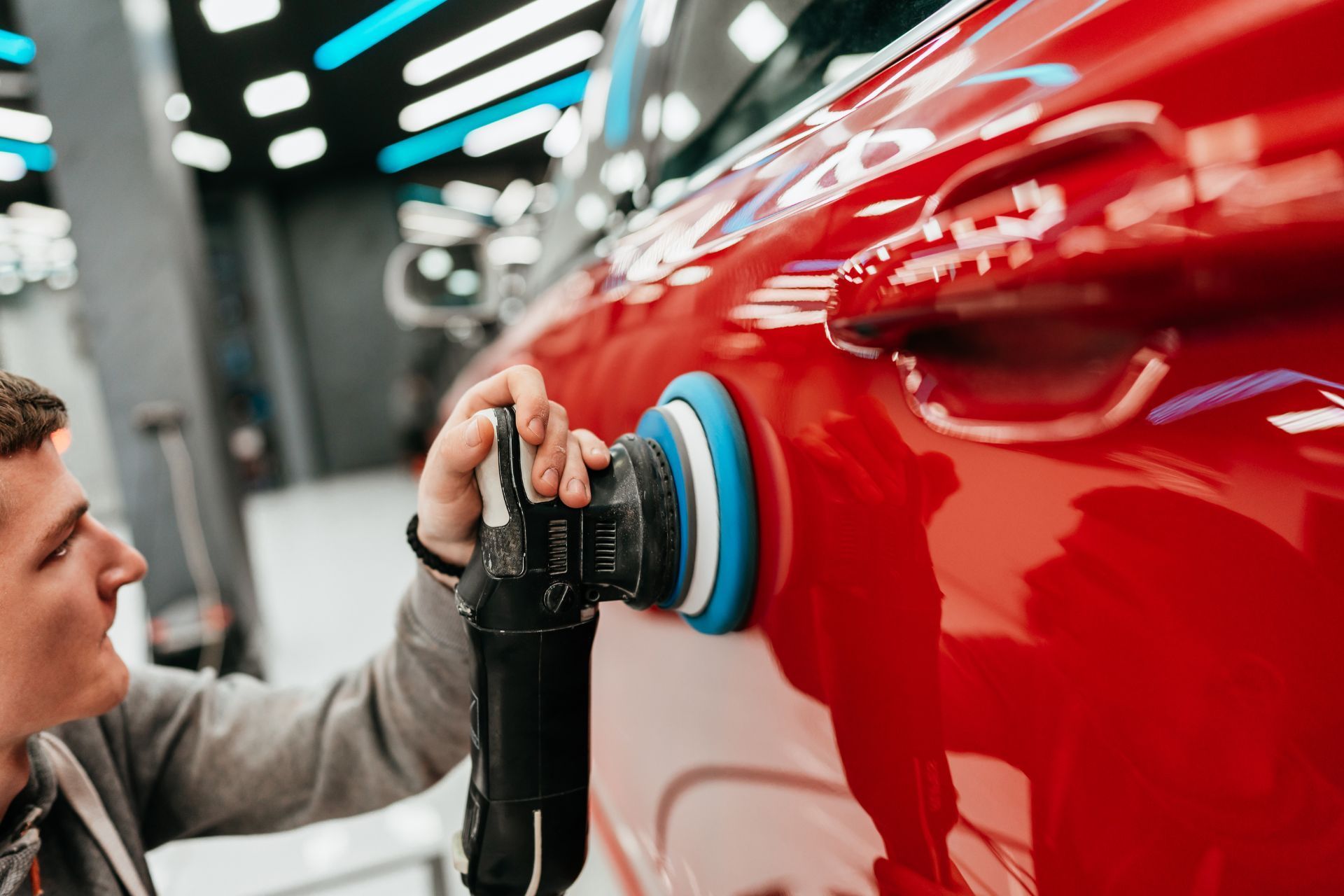
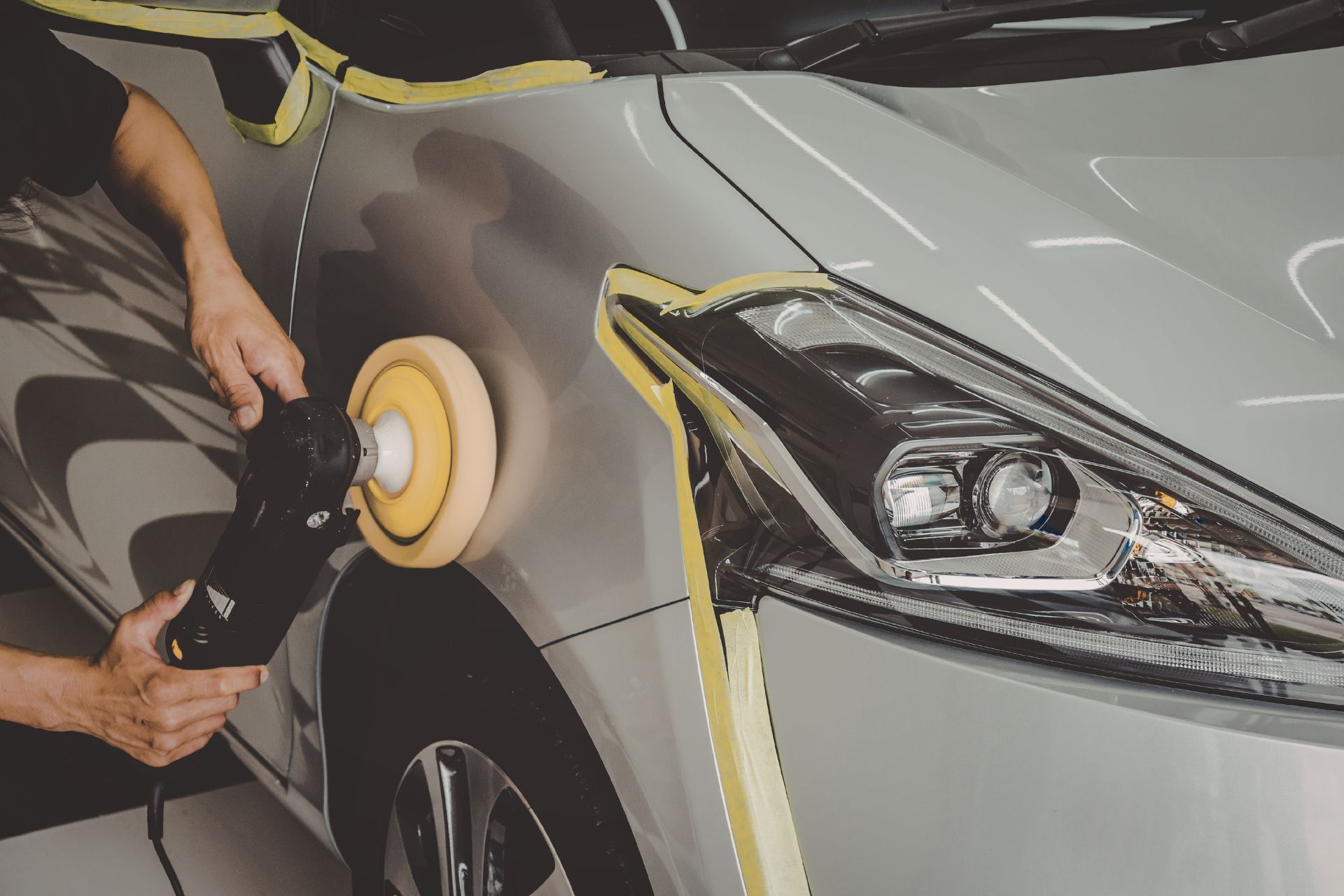
Wondering when it’s time to call in the experts for paint restoration? If your vehicle’s paint shows signs of deep scratches, oxidation, or significant fading, it’s time to seek professional help.
You might also notice stubborn stains or corrosion that regular cleaning just can’t tackle. If you’ve tried DIY fixes but the results aren't satisfactory, don’t hesitate to reach out to a pro.
Additionally, if you live near the shore, salt exposure can accelerate damage, so acting quickly can prevent further issues.
A professional can assess the damage and provide the right solutions, ensuring your car looks its best and maintains its value. Trust their expertise to restore your vehicle’s paint to its original glory.
Conclusion
Protecting your vehicle's paint from the harsh conditions at the South Jersey Shore is crucial. By regularly washing your car and applying a quality wax or sealant, you can create a barrier against salt and moisture. Stay vigilant for signs of damage, and don't hesitate to seek professional help if needed. Keeping your car in top shape not only preserves its appearance but also maintains its value, ensuring it looks great for years to come.