
Paint Protection Options Explained: PPF vs Ceramic Coating vs Sealants
When it comes to protecting your vehicle's paint, you've got several options to consider. Paint protection film (PPF), ceramic coatings, and sealants each offer distinct advantages and varying levels of durability. Understanding these differences can help you make an informed decision that fits your needs and budget. So, which option will provide the best defense for your car's finish? Let's break down each choice and see what suits you best.
Comparing Paint Protection Options: PPF, Ceramic Coatings, and Sealants
When it comes to protecting your vehicle's paint, how do you choose the right option among paint protection film (PPF), ceramic coatings, and sealants?
Each choice has its own benefits and drawbacks. PPF offers a durable barrier against physical damage like scratches and dents, but it can be more expensive and may require professional installation.
Ceramic coatings create a strong chemical bond with your paint, providing excellent hydrophobic properties and protection against UV damage, although they need proper maintenance to last.
Sealants, on the other hand, are easier to apply and can provide a decent level of protection, but they generally won’t last as long as PPF or ceramic coatings.
Consider your budget, maintenance preferences, and how much protection you need.
What Is Paint Protection Film (PPF)?
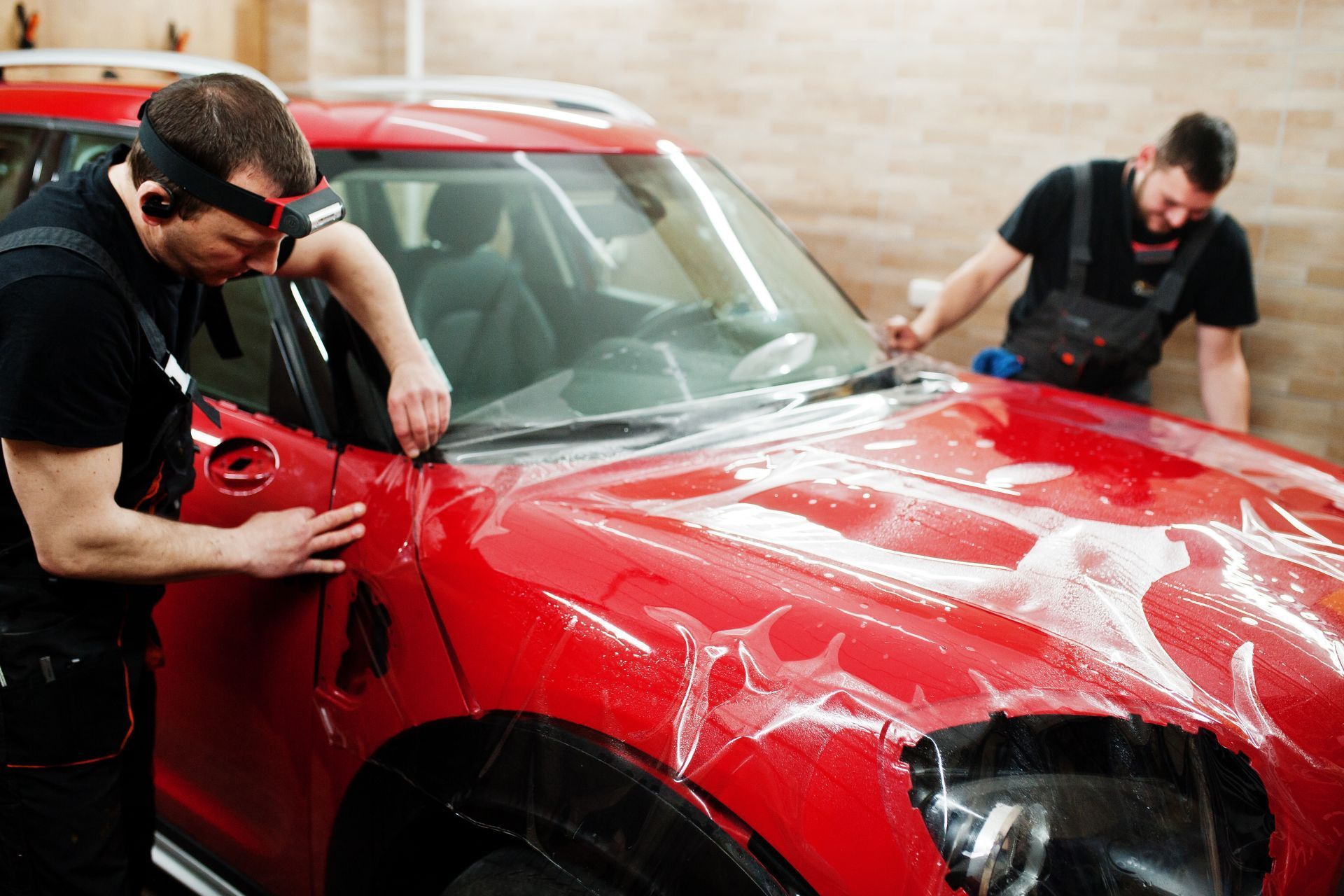
Paint Protection Film (PPF) is a transparent, durable layer designed to shield your vehicle's paint from scratches, chips, and other minor damages.
It’s made from a high-quality thermoplastic urethane that adheres to your car's surface, providing a nearly invisible barrier.
When you apply PPF, you protect against road debris, UV rays, and environmental contaminants that can harm your vehicle's finish.
This film is self-healing, meaning minor scratches can disappear with heat from the sun or your vehicle’s surface.
PPF can be applied to specific areas, like the hood and fenders, or to the entire vehicle for maximum protection.
Investing in PPF not only keeps your car looking new but also helps maintain its resale value over time.
The Benefits of Ceramic Coatings for Vehicle Maintenance
While many car owners seek ways to enhance their vehicle's appearance and longevity, ceramic coatings stand out as a superior option for vehicle maintenance.
These advanced coatings bond with your car's paint, creating a durable layer that protects against UV rays, dirt, and contaminants.
You'll notice that ceramic coatings make washing your vehicle easier, as they repel water and grime, reducing the frequency of detailing.
Plus, they enhance your car’s shine, giving it a sleek, glossy finish that lasts.
Unlike traditional wax or sealants, ceramic coatings can last for years, saving you time and money in the long run.
With their impressive durability and protection, ceramic coatings are a smart investment in maintaining your vehicle's value and aesthetics.
Key Differences Between Sealants and Other Protection Options
Ceramic coatings offer impressive protection, but they aren't the only option available. Sealants provide a different approach to vehicle protection, focusing on ease of application and cost-effectiveness.
While ceramic coatings bond to your paint, creating a durable layer, sealants form a barrier that sits on top. This means sealants can be easier to apply and remove but may require more frequent reapplication to maintain their effectiveness.
In terms of durability, sealants generally last a few months to a year, while ceramic coatings can last several years. Additionally, sealants may not offer the same level of UV protection or hydrophobic properties as ceramic coatings.
Ultimately, your choice will depend on your specific needs and maintenance preferences.
Cost of Paint Protection Options: What to Expect
How much should you expect to spend on paint protection options? Prices vary greatly based on the type you choose.
For a paint protection film (PPF), you're looking at around $1,500 to $7,000 for professional installation, depending on the vehicle size and coverage area.
Ceramic coatings typically range from $500 to $2,000, again influenced by the application process and the product quality.
Sealants are generally the most affordable option, costing between $50 and $200 if you opt for a DIY approach, or $100 to $500 for professional application.
How to Maintain PPF, Ceramic Coatings, and Sealants for Longevity
To keep your paint protection film (PPF), ceramic coatings, and sealants looking their best, regular maintenance is essential.
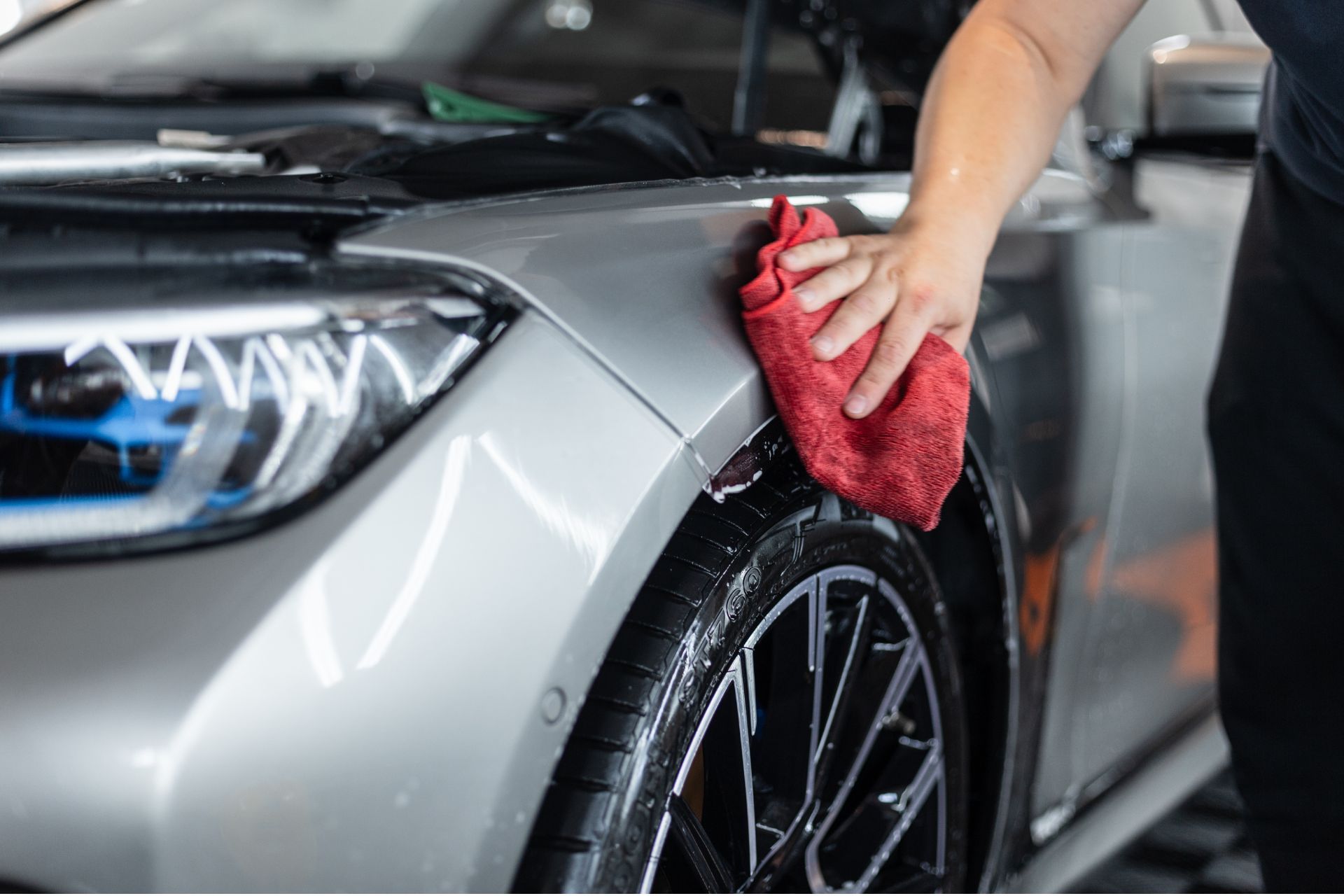
Start by washing your vehicle with a pH-neutral soap and a soft microfiber cloth to avoid scratching the surface. Rinse thoroughly to remove any soap residue.
For PPF, inspect for any chips or lifting edges; repair them promptly to prevent further damage.
With ceramic coatings, avoid harsh chemicals and always use a gentle touch. It’s smart to apply a maintenance spray designed for ceramic coatings to enhance their hydrophobic properties.
Sealants can benefit from periodic reapplication, typically every few months, to maintain their protective barrier.
With these simple steps, you’ll ensure your paint protection lasts longer and keeps your vehicle looking stunning.
Conclusion
Choosing the right paint protection option for your vehicle hinges on your needs and budget. If you're after maximum defense against scratches, PPF is your best bet. For long-lasting shine and UV protection, ceramic coatings shine. If you’re looking for a cost-effective solution, sealants might work for you, though they require more upkeep. Whichever you choose, understanding maintenance is key to keeping your vehicle looking its best and protecting your investment for years to come.